Staircase and Narrow Hallway Solutions in Islington, London
Moving in Islington can be deceptively tricky. On paper, it might look like a short hop from one flat to another, or a simple furniture delivery into a Victorian terrace. Then you meet the staircase. Tight turns, steep steps, narrow landings, awkward banisters, low ceilings, and hallways that seem to shrink the moment a sofa appears. That is where Staircase and narrow hallway solutions in Islington, London become less of a nice-to-have and more of a very practical necessity.
This guide explains how those challenges are handled properly, what good planning looks like, and how to avoid the common mistakes that turn a manageable move into a stressful one. Whether you are moving home, shifting office furniture, or trying to get one heavy item up a cramped staircase without a scratch, the goal is the same: protect the property, protect the furniture, and make the move feel calm rather than chaotic. Truth be told, that calm is worth a lot on moving day.
Table of Contents
- Why Staircase and Narrow Hallway Solutions Matter
- How the Process Works
- Key Benefits and Practical Advantages
- Who This Is For and When It Makes Sense
- Step-by-Step Guidance
- Expert Tips for Better Results
- Common Mistakes to Avoid
- Tools, Resources and Recommendations
- Law, Compliance, Standards, or Best Practice
- Options, Methods, or Comparison Table
- Case Study or Real-World Example
- Practical Checklist
- Conclusion
- Frequently Asked Questions
Why Staircase and narrow hallway solutions in Islington, London Matters
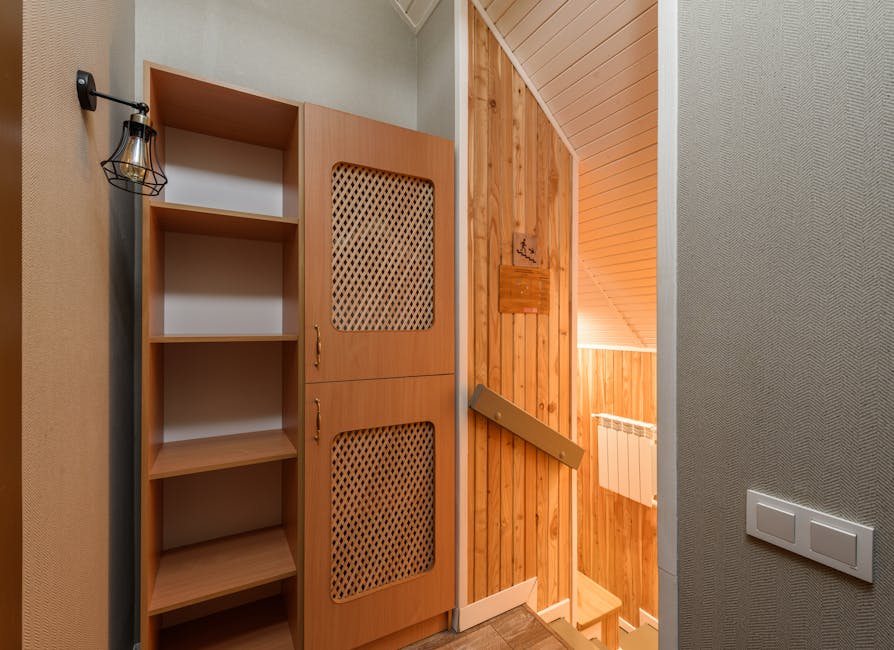
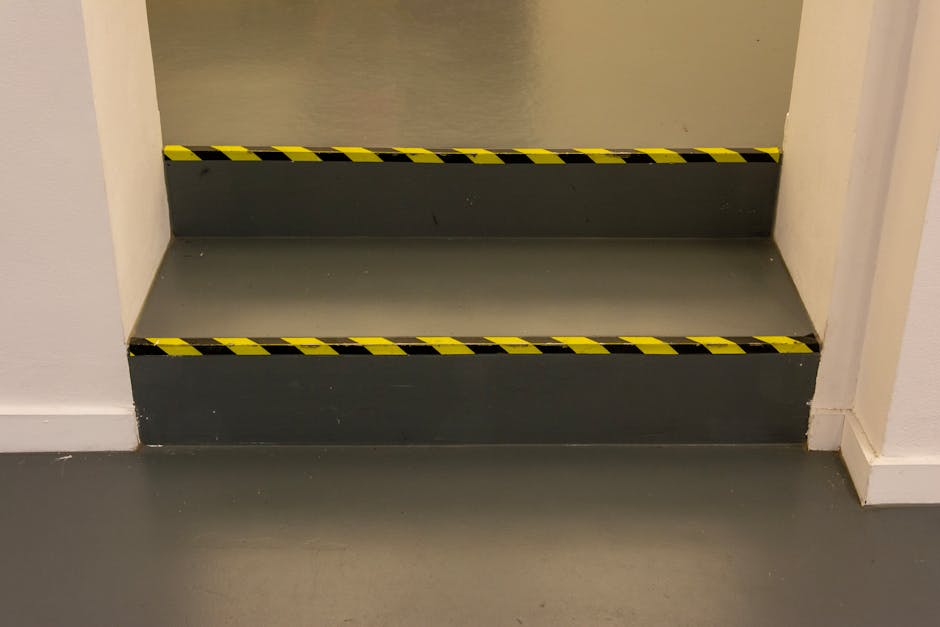
Islington has a lot going for it: character properties, compact homes, converted flats, and period buildings with all the charm that usually comes with a bit of awkwardness. Those same features often create narrow access routes that make moving large items difficult. A staircase that looks fine empty can become a hard stop when faced with a wardrobe, a king-size mattress, or a three-seater sofa. Hallways can be even worse because they rarely give you room to pivot properly.
Good staircase and hallway planning matters for three main reasons. First, it helps prevent damage. Painted walls, plaster corners, bannisters, and flooring all take a beating when people try to force bulky items through tight spaces. Second, it protects the item itself. A scraped cabinet edge or bent frame is frustrating, especially if the piece is expensive or sentimental. Third, it saves time. What looks like a five-minute carry can turn into repeated attempts, awkward re-positioning, and a lot of standing around while everyone tries to work out the angle. Not fun.
In Islington, this is especially relevant for older buildings and upper-floor flats where access is limited and shared communal areas are narrow. A sensible move plan takes the building layout seriously rather than treating it like a standard house move. That small shift in thinking makes a big difference.
For broader moving support in the area, it can also help to understand the company's wider services, such as home moves, man and van support, and house removalists for more complex domestic relocations.
How Staircase and narrow hallway solutions in Islington, London Works
There is no single trick that solves every tight-access move. Good results usually come from a mixture of measurement, preparation, the right equipment, and experienced lifting technique. In practical terms, the process often begins before moving day, with a check of the route from street to room. That means measuring stair width, landing depth, ceiling height, doorway clearance, and any awkward bends or turns.
Then comes item planning. A skilled mover will look at the shape of the furniture, not just its dimensions on paper. A tall wardrobe may fit better standing upright on one move and sideways on another. A sofa might need feet removed. A bed frame may travel well once disassembled. Sometimes the answer is simple, and sometimes it is a bit of a puzzle. That is normal.
There is also the question of protection. Blankets, corner guards, straps, shrink wrap, and floor coverings all play a role. For narrow hallways, the aim is to create enough working room so that items can be guided rather than dragged. If a lift is available, it may help with some items but not all. And if the staircase is the only route, the team needs a plan for turns, lift points, and communication. One person calls the move, the others follow. Simple, but crucial.
In many cases, a man with van service is a sensible fit for smaller moves or single-item transport, while larger or more complex loads may benefit from a moving truck or removal truck hire. The right vehicle does not fix a tight staircase by itself, but it does help make the whole job more efficient.
Key Benefits and Practical Advantages
The best narrow-access moving solutions do more than simply get the item upstairs. They reduce friction across the whole move. That sounds obvious, but in real life it means fewer delays, fewer bruised walls, and a much lower chance of the sort of problem that eats an afternoon.
- Less damage to property: Protective handling reduces scuffs on walls, corners, banisters, and stair treads.
- Safer lifting: A controlled plan lowers the risk of strain, slips, or dropped items.
- Better use of space: Experienced movers know how to turn, angle, and stage items in tight areas.
- More predictable timings: When access is planned properly, the move is easier to schedule and less likely to overrun.
- Less stress for the customer: You are not left wondering whether the wardrobe will fit, or whether the stairwell will survive the attempt.
There is also a quieter benefit that people sometimes overlook: better neighbour relations. Narrow hallways in Islington flats often mean shared entryways and close quarters. A careful, tidy team is simply less disruptive. No one wants to be "that move" on the staircase at 8:00 in the morning, with the building echoing every bump. Been there? If you know, you know.
For customers who want extra peace of mind, it is worth checking the company's insurance and safety information as part of the decision process. That is not just paperwork. It is part of making sure the move is handled responsibly.
Who This Is For and When It Makes Sense
This kind of support is useful for anyone dealing with awkward access, but it is especially relevant in a few common situations.
- Flat moves in period buildings: Many Islington properties have steep, narrow stairs and tight turns.
- Top-floor rentals: Carrying furniture up multiple flights is harder than it looks, even when the items are not huge.
- Single-item deliveries: Sofas, wardrobes, beds, bookcases, and desks can all be difficult to manoeuvre.
- Home office setups: Larger desks and storage units often need careful handling in shared entrances.
- Commercial or studio spaces: Small business premises and workspaces often have narrow internal access routes too.
This is also the right kind of solution if you are not moving everything at once. For example, perhaps the sofa arrives first, then the bed frame later, then the desk after that. It is easy to think, "I'll just do it myself," until the landing proves otherwise. A lot of people only realise the difficulty once the item is halfway up the stairs. At that point, the staircase has already won a small psychological battle.
If your move is commercial rather than domestic, the same logic applies. Tight corridors, shared entrances, and internal steps can slow down everything from desks to filing cabinets. In those cases, commercial moves or office relocation services may be the better fit, especially when timing and access windows matter.
Step-by-Step Guidance
The easiest way to approach a staircase or hallway challenge is to break it down into clear stages. That keeps the move practical and stops everyone from guessing under pressure.
- Inspect the access route. Check the front entrance, hallway width, stairs, landings, and any sharp turns. Note anything fixed in place, such as handrails or radiators.
- Measure the item and the route. Do not rely on eye-balling it. Measure the tallest, widest, and deepest points of the furniture, then compare that with the tightest parts of the route.
- Decide whether disassembly is needed. Remove legs, shelves, handles, or doors if that makes the item easier to carry. Keep screws and fittings bagged and labelled.
- Protect the space. Lay down floor coverings and use protective wraps where needed. Narrow spaces leave no room for carelessness.
- Plan the lifting order. Decide who is at the top, who is at the bottom, and who is calling the movement. Communication matters more than strength, to be fair.
- Test the first movement. Start carefully and see how the item behaves on the staircase. If the angle is wrong, stop and reset. There is no prize for forcing it.
- Move slowly through the bottleneck. The narrowest point is where damage happens. Use controlled movements, especially on turns and landings.
- Set up the item properly once inside. A rushed final placement can undo all the careful work. Position it cleanly, check for marks, and confirm everything is stable.
A good mover will also know when to stop and rethink the route. That is not a failure; it is judgement. Sometimes a window, another entrance, or a different carrying angle is the better answer. The point is to solve the problem, not wrestle the staircase into submission.
Expert Tips for Better Results
There are a few practical habits that consistently make narrow-access moves smoother. None are flashy, but they save time and reduce drama.
- Take photos of the access route before the move. A quick set of images can help identify problems that measurements miss.
- Clear the hallway fully. Shoes, plants, bikes, prams, and small furniture all become obstacles in narrow spaces.
- Use two-person communication clearly. Short instructions work best: "up," "pause," "turn," "hold."
- Strip the item down where sensible. Fewer protruding edges usually means less risk.
- Protect corners first, not last. Corners get hit when people are tired. That is usually where the damage happens.
- Schedule the move at a calmer time of day. If possible, avoid the busiest periods in shared buildings so the team has breathing room.
Another small but useful tip: measure the route at the point of the turn, not only at the doorway. A lot of people measure the obvious parts and forget the awkward mid-point where a sofa suddenly needs to pivot. That is the bit that catches people out. Every time, almost.
If you are unsure how much support you need, a well-scoped quote can help you compare options. The page on pricing and quotes is a sensible starting point when you are trying to understand what level of help suits your move.
Common Mistakes to Avoid
Most problems on narrow-access moves come from rushing, guessing, or assuming that "it should fit." That phrase has ended many a pleasant morning. Here are the errors worth avoiding.
- Not measuring properly: Guessing the fit is the fastest way to create a stuck item and a stressed team.
- Forcing the turn: If a sofa or wardrobe does not pivot safely, stop and reassess.
- Leaving hallways cluttered: Even a few small obstacles can make the access route too tight.
- Ignoring weight distribution: Some items look manageable but carry awkwardly because the balance point is poor.
- Skipping protection: A bare wall and a heavy corner do not mix well.
- Assuming one method will work for everything: What works for a mattress may fail for a cabinet.
Another mistake is underestimating how tiring repeated carrying becomes on stairs. The first trip feels fine. The third or fourth starts to matter. By the time someone says, "let's just get it over with," the risk of a wobble is higher. Better to pace things properly from the start.
Tools, Resources and Recommendations
The right tools do not replace experience, but they do make the job cleaner and safer. For narrow staircases and hallways, the usual kit includes padded blankets, straps, stretch wrap, furniture sliders, floor runners, corner protectors, and basic hand tools for disassembly. A trolley can help in some situations, although stairs often require controlled manual carrying rather than wheeling.
For larger domestic moves, it is worth looking at broader support such as packing and unpacking services. Good packing reduces loose parts, protects fragile edges, and speeds up the final set-down in a tight room. If you are moving a full household, a coordinated service such as home moves can be easier than trying to coordinate separate pieces of the job yourself.
When furniture is no longer needed, or simply will not fit into the new space, furniture pick up can be a sensible part of the plan. That keeps clutter out of the route and avoids trying to force items into a home that is already short on space.
It can also be worth reviewing the company's recycling and sustainability approach if you want old items handled responsibly rather than simply dumped. Small practical choice, but it matters.
Law, Compliance, Standards, or Best Practice
For narrow staircase and hallway work, there is not usually a single special rule that applies to every move, but there are clear best-practice expectations. In the UK, moving work should be carried out with proper attention to health and safety, safe lifting, and protection of people and property. That means the team should work in a way that reduces avoidable risk, especially in common areas and shared entrances.
Good practice includes route checks, clear communication, appropriate manual handling techniques, and use of protective materials where needed. If a building has shared access, the move should also respect neighbours and communal areas. That sounds obvious, yet it is often the difference between a smooth day and a complaint from the flat below.
Where a company publishes its own health and safety policy, it is worth reading. It gives you a better idea of how carefully the team approaches risk, equipment, and customer property. You can also review the terms and conditions and payment and security information so expectations are clear before the move begins.
If accessibility is a concern, especially in buildings with limited physical access, the accessibility statement can be helpful as part of a wider trust check. Not every move needs the same level of formality, but clarity upfront is always better than uncertainty later.
Options, Methods, or Comparison Table
Different move setups suit different access challenges. The best choice depends on item size, building layout, and how much help you want on the day.
| Method | Best for | Strengths | Limitations |
|---|---|---|---|
| Single-item carry | One sofa, bed, wardrobe, or appliance | Simple, fast, lower cost for small jobs | Less efficient for multiple items; still needs careful planning |
| Man and van support | Small to medium domestic moves | Flexible, practical, good for short-distance moves | May not suit larger or heavily complex loads |
| Full removal service | Whole-flat or whole-house moves | More support, better coordination, less lifting pressure on you | Usually more involved and needs stronger planning |
| Truck-based move | Bulkier loads or multiple large items | Greater carrying capacity and better for layered loading | Access and parking still need to be managed carefully |
If you are deciding between these options, think about the narrowest part of the route, not just the total amount of stuff. One awkward staircase can matter more than a room full of boxes. It's the bottleneck that usually decides the plan.
Case Study or Real-World Example
Imagine a second-floor flat in central Islington with a tight entrance hallway and a staircase that turns sharply at the landing. The customer needs a two-seat sofa, a bed frame, a mattress, and a tall chest of drawers moved in. On arrival, the team measures the landing, checks the sofa arms, and sees straight away that the chest of drawers will need the handles removed. Nothing dramatic, just sensible preparation.
The hallway is cleared, a runner is laid down, and the bed frame is disassembled so it can pass the turn without scraping the wall. The sofa is carried with one person guiding at the top and one at the bottom, with a third person spotting the turn and calling the movement. A few careful pauses later, the sofa is in place. No scuffs, no swearing, no mystery dents in the plaster. A decent day's work, frankly.
What made the difference was not brute force. It was route awareness, item preparation, and the decision not to rush the turning point. That is usually the pattern in narrow-access moves: the calm approach is the efficient one.
Practical Checklist
Use this checklist before you book or begin a staircase and hallway move in Islington.
- Measure the narrowest part of the staircase and hallway route.
- Measure every large item, including handles, feet, and protrusions.
- Check whether the item can be disassembled safely.
- Clear the hallway and landing of clutter.
- Protect floors, walls, and corners before lifting starts.
- Confirm who is carrying, who is guiding, and who is calling the move.
- Make sure parking and building access are workable for the vehicle.
- Review insurance, safety, and service terms before the day.
- Prepare a fallback plan if the first route does not work.
- Allow extra time for narrow access, especially in older buildings.
Expert summary: The safest and most efficient narrow-access moves in Islington are usually the ones that are measured twice, prepared early, and carried out slowly at the tightest points. Speed comes from planning, not from rushing.
Conclusion
Staircase and narrow hallway solutions in Islington, London are really about one thing: making a difficult physical route feel manageable. In a borough full of character properties, converted flats, and compact spaces, that means planning carefully, protecting the property, and choosing the right moving method for the layout in front of you.
If you take anything from this guide, let it be this: the staircase is not the enemy. It just needs a better plan. Measure properly, prepare the route, use the right equipment, and do not force the turn. That approach saves time, protects your belongings, and keeps the day much calmer than it would otherwise be.
If you are planning a move with tight access, it is worth speaking to a team that understands the practical side of small-space moving and can tailor the job to the building, not just the inventory. A little expertise goes a long way here, and honestly, it can make the whole experience feel lighter.
Get a free quote today and see how much you can save.
Frequently Asked Questions
What are staircase and narrow hallway solutions in Islington, London used for?
They are used to move furniture, appliances, and boxes through tight access routes safely. That includes steep staircases, narrow landings, and small communal hallways in flats and period homes.
How do I know if my sofa will fit up a narrow staircase?
Measure the sofa at its widest and tallest points, then compare that with the staircase width, landing space, and any turns. If the route has a tight bend, shape matters as much as size.
Should I disassemble furniture before moving it upstairs?
Often, yes. Removing legs, handles, shelves, or doors can make a big difference in a narrow hallway. But only disassemble if it can be done safely and reassembled without trouble.
What happens if an item gets stuck on the stairs?
A good moving team will stop, reset, and reassess the angle or route rather than forcing the item. Sometimes the answer is to rotate the piece, remove more parts, or use a different carrying method.
Is a man and van service enough for narrow-access moves?
It can be, especially for smaller loads or single items. For larger furniture or multiple bulky pieces, a more complete moving setup may be easier and safer.
How can I protect my walls and floors during the move?
Use floor coverings, corner protectors, and padded wraps. Clearing the hallway before the move starts also helps reduce accidental contact.
Do I need to tell the movers about tight stairs in advance?
Yes, absolutely. The more they know beforehand, the better they can prepare. Photos, measurements, and a note about tricky turns are all helpful.
Can narrow hallway moves be done in shared flats without disturbing neighbours?
Usually, yes, if the move is planned properly and handled carefully. Quiet, controlled movement and protection of communal areas make a big difference.
What if there is no lift in the building?
Many Islington properties do not have lifts, so stair carrying is a common part of the job. The key is planning the lifting route and checking the item shape before moving day.
How much time should I allow for a staircase move?
It depends on the number of items, the access route, and whether anything must be disassembled. Narrow access almost always takes longer than an easy ground-floor move, so allow extra time.
Are packing services helpful for narrow hallway moves?
Yes. Good packing reduces loose parts, protects edges, and makes items easier to handle through tight spaces. It can save a surprising amount of hassle on the day.
Where can I find more information about booking and support?
You can review the service pages for moving help, look at the company's trust and safety information, and then get in touch through the contact page if you want a tailored quote for your Islington move.
Do these solutions work for office moves as well as home moves?
They do. Narrow corridors, stairwells, and tight entrances can affect offices, studios, and small commercial spaces too, so the same careful planning applies.
What is the safest mindset on moving day?
Slow is smooth, and smooth is fast. If an item feels awkward, stop and adjust rather than pushing through. That one habit prevents a lot of headaches.
Contact the team if you want to discuss access details before the move and make sure the right approach is in place from the start.