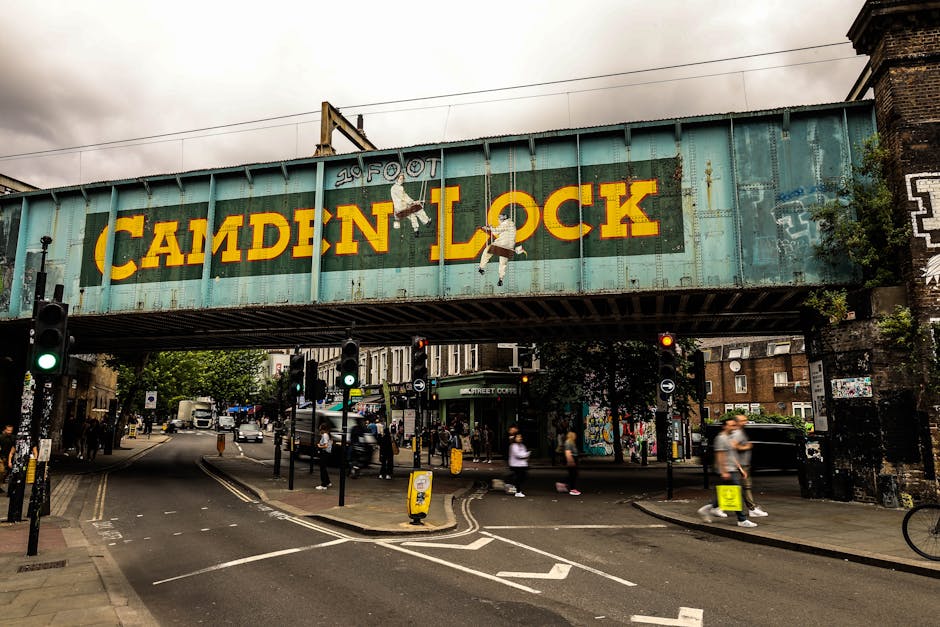
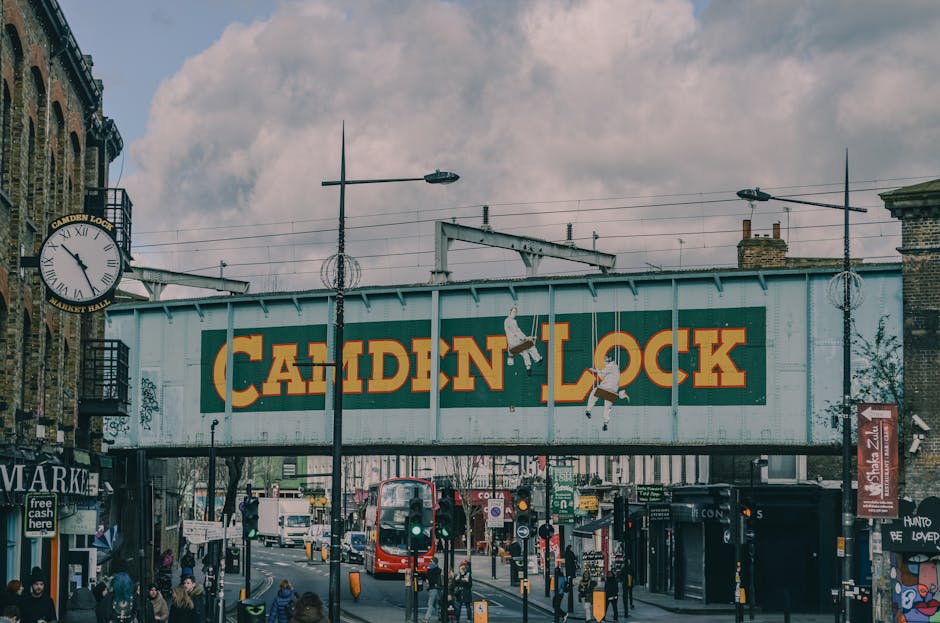
Camden High Street moving guide for narrow London homes
If you are moving on or near Camden High Street, you already know the challenge is rarely the distance. It is the stairs that feel too tight, the hallway that turns at an awkward angle, the parking that disappears just when you need it, and the old London quirks that make a simple move feel oddly complicated. This Camden High Street moving guide for narrow London homes is here to make that process calmer, clearer, and far less stressful.
Whether you are moving into a compact flat above a shop, a maisonette with a skinny staircase, or a period conversion where every landing seems to have its own opinion, the same truth applies: narrow homes need a smarter plan. In this guide, you will find practical steps, common mistakes, and real-world advice for moving safely, quickly, and with fewer surprises. Let's face it, in Camden you rarely get huge lift access and wide driveways on demand.
For readers who want a broader view of domestic moving options, our home moves page explains how residential moves are typically handled across different property types. If your move is especially tight or involves heavy pieces, you may also find the man and van service overview useful as a flexible option.
Table of Contents
- Why Camden High Street moving guide for narrow London homes Matters
- How Camden High Street moving guide for narrow London homes Works
- Key Benefits and Practical Advantages
- Who This Is For and When It Makes Sense
- Step-by-Step Guidance
- Expert Tips for Better Results
- Common Mistakes to Avoid
- Tools, Resources and Recommendations
- Law, Compliance, Standards, or Best Practice
- Options, Methods, or Comparison Table
- Case Study or Real-World Example
- Practical Checklist
- Conclusion
- Frequently Asked Questions
Why Camden High Street moving guide for narrow London homes Matters
Moving in Camden is a different kind of puzzle. The streets can be busy, the pavements narrow, and the buildings often date from an era when nobody was thinking about sectional sofas or American-style fridge freezers. In narrow London homes, every inch matters, from the first stair tread to the front door swing. A move that would be routine in a suburban cul-de-sac can become a bottleneck here.
This matters because poor planning causes the usual headaches: scratched walls, delayed loading, extra labour time, missed parking windows, and furniture that simply will not fit through the turning space. Even a small delay can ripple through the whole day. If you have ever seen a sofa hover halfway up a staircase while everyone stands in silence, you will know the feeling.
There is also the human side of it. Narrow homes are often lived-in homes, packed with personal items, awkward keepsakes, and things you did not realise were heavy until you had to carry them down three flights. A careful moving plan respects the property, the contents, and your nerves. Truth be told, that is the difference between an exhausting day and one that feels manageable.
Expert summary: For Camden High Street moves, the winning strategy is usually not brute force. It is preparation, measurements, timing, and the right vehicle and crew size for tight access. Small errors in planning tend to cost more than the move itself.
How Camden High Street moving guide for narrow London homes Works
The basic idea is simple: you reduce uncertainty before moving day. In narrow homes, that means checking access routes, measuring large items, deciding what should be dismantled, and choosing a moving method that suits the property rather than forcing the property to suit the move. Not glamorous, but effective.
A well-run narrow-home move usually follows a sequence:
- Assess the property layout, stairs, doors, and any shared entrances.
- Measure bulky furniture, appliances, and awkward items.
- Plan parking, loading, and walking distance from the vehicle to the door.
- Decide which items need wrapping, dismantling, or specialist handling.
- Load in the right order so the hardest pieces come out cleanly and first.
- Unpack or position key items before the rest of the day gets in the way.
What makes Camden High Street distinctive is the mix of traffic, mixed-use buildings, older conversions, and narrow internal routes. Some homes have steep stairs and sharply bent landings. Others have shopfront entrances, basement access, or side paths that seem convenient until you try moving a mattress through them. A good mover looks at the whole route, not just the front door.
If you need help with wrapped items, protective packing, or the fiddly part of getting glassware and kitchen bits safely into boxes, the packing and unpacking services page is a useful place to understand what support can look like. For furniture that is simply too large to keep intact, knowing what can be taken apart in advance is half the battle.
Key Benefits and Practical Advantages
A thoughtful Camden High Street moving plan is not just about avoiding damage. It gives you control, which is precious on a moving day. When the route is tight and parking is uncertain, control saves time, money, and a fair bit of emotional energy.
- Less damage to walls, bannisters, and furniture: Tight stairwells leave little room for error. Protection and planning reduce those painful little dings.
- Faster loading and unloading: Knowing what goes first prevents everyone from standing around wondering where the wardrobe is supposed to go.
- Better use of vehicle space: Narrow-home moves work better when items are packed strategically rather than just stacked wherever they fit.
- Lower stress for you and the crew: A prepared move tends to feel calmer. Not easy, but calmer.
- Safer handling of awkward items: Large mirrors, beds, drawers, and white goods need sensible lifting and protection.
- Fewer surprises on the day: The real enemy is not the stairwell. It is the detail you forgot to mention until it was too late.
There is also a subtle benefit: once you understand your home's limitations, you can make better decisions about what to keep. That oversized sideboard may be beautiful, but if it needs a small miracle to get out, perhaps it is time for a fresh start. A little brutal? Maybe. Helpful? Absolutely.
Who This Is For and When It Makes Sense
This guide is for anyone moving within or near Camden High Street where access is tight and the property layout is less than straightforward. It is especially useful if your home has stairs, split levels, shared corridors, basement access, or a frontage that leaves very little pavement space for loading.
You will likely benefit from this approach if you are:
- moving into or out of a top-floor flat with narrow stair access
- living in a converted Victorian or Georgian property
- handling bulky furniture in a compact one-bedroom or studio flat
- moving with limited parking outside the building
- trying to coordinate a same-day move with work, childcare, or a lease handover
- unsure whether a larger lorry or a smaller vehicle is the smarter choice
It also makes sense if you are moving just a short distance. People sometimes assume short moves are easier, but that is not always true. A two-street move in Camden can be more fiddly than a longer move with better access. Weirdly, the shorter the route, the more the access problems seem to matter.
If your move has a commercial angle, such as a small office or mixed-use premises on or near Camden High Street, the commercial moves page may be relevant for understanding more business-focused relocation needs. And if you are looking for a removal team that handles domestic properties rather than large-scale operations, house removalists can be a useful reference point for the kind of support typically needed in residential settings.
Step-by-Step Guidance
Here is the part that usually saves the day: a structured approach. Narrow homes reward methodical people. Slightly annoying, perhaps, but true.
1. Walk the route before moving day
Start from the street and move all the way through the property. Check the width of front steps, hallway turns, stair angles, ceiling height on landings, and any door handles or protruding fixtures that could catch. If possible, take photos. A quick visual record helps you remember where the awkward pinch points are.
2. Measure the biggest items first
Measure sofas, wardrobes, bed frames, mattresses, tables, and appliances. Do not guess. In narrow homes, an extra few centimetres can decide whether something fits cleanly or needs dismantling. Measuring the item is only half the job; measure the route too.
3. Decide what should be dismantled
Bed frames, shelving, table legs, and some wardrobes can often be reduced in size. That may sound obvious, but people regularly leave it too late. If the item can be safely taken apart, it is often worth doing so before moving day. Keep screws, brackets, and fittings in labelled bags. You will thank yourself later.
4. Reserve the right vehicle size
Narrow streets and difficult parking often suit a smaller, more agile vehicle rather than an oversized truck. A smaller load may require a few more trips, but if access is poor, the time saved from easy manoeuvring can outweigh the extra journey. On some jobs, the right answer is not "bigger". It is "smarter".
5. Protect the route inside the property
Use covers, blankets, and floor protection where needed, especially around sharp corners, bannisters, or newly painted walls. Even careful people have the occasional wobble on a stair turn. It happens. This is why protection matters.
6. Load in reverse order of need
Put the items you need first somewhere accessible. If the kettle, bedding, phone chargers, and kettle again are buried under boxes of books, the first night in the new place becomes a bit of a comedy. Not a good one.
7. Leave room for the unexpected
Things always take slightly longer than they look on paper. A lamp shade is awkward. A mirror is more fragile than you remembered. A sofa catches on a corner because London, of course. Build in some breathing room. It helps more than most people expect.
Expert Tips for Better Results
Small adjustments can make a huge difference in narrow London homes. These are the kinds of practical details that experienced movers tend to rely on.
- Use colour-coded labels: Label rooms by colour and add short notes like "heavy" or "fragile". It sounds simple, but it really cuts confusion.
- Keep a clear access lane: Even a narrow hallway gets easier when coats, shoes, and clutter are moved out of the way in advance.
- Check parking and timings early: Camden streets can be busy, and loading windows matter. If you need to coordinate a vehicle stop, do not leave it to luck.
- Separate essentials from bulk items: One box with chargers, toiletries, toilet paper, snacks, and basic tools can save a lot of wandering around later.
- Wrap corners and protruding edges: Table legs, metal bed frames, and glass shelves are classic scratch-makers.
- Use two people for awkward rotations: Some items are not heavy, just awkward. Those are often the ones that cause trouble in narrow stairs.
A useful way to think about it: every move has a few "high-friction" moments. Maybe the hallway bend. Maybe the stair landing. Maybe the front door that opens the wrong way. Identify those moments early and plan around them. That is where experience matters, even if the move is small.
And if you are wondering whether your job is too small to plan carefully, the answer is no. Small Camden moves often need the most careful planning because there is less room for improvisation. Less room. Less margin. Simple as that.
Common Mistakes to Avoid
The most common moving mistakes in narrow homes are predictable, which is slightly comforting because they are also avoidable. Here are the big ones.
- Assuming furniture will "just fit": A piece that fits in the room may still fail at the staircase.
- Ignoring the route, not just the dimensions: Corners, door swings, and stair turns matter as much as width.
- Leaving packing until the night before: Rushed packing leads to messy boxes, broken items, and a longer move.
- Booking the wrong vehicle: Too large and you may struggle with access; too small and the day becomes a marathon.
- Forgetting shared access rules: Flats and converted buildings often have communal areas that need care and courtesy.
- Not preparing the new property first: If the landing is full of old furniture or delivery boxes, unloading becomes far harder than it needs to be.
There is also a quieter mistake: not saying what you actually need. If you have a staircase that is extra tight or a sofa that needs a careful tilt, say so upfront. Nobody benefits from surprise geometry on moving day.
One more thing. People often keep a "maybe" pile of items right until the end. In a narrow move, that pile is expensive. If you are unsure about an item, decide early whether it is staying, going, or being sold, donated, or recycled.
Tools, Resources and Recommendations
You do not need a van full of specialist gear for every move, but a few tools can make narrow-home moving noticeably easier.
- Furniture blankets and wrapping: Useful for protecting polished surfaces, corners, and fragile finishes.
- Strong tape and labels: Essential for clear packing and easier unpacking.
- Dollies or sack trucks: Helpful for heavier boxes or appliances when access allows.
- Basic tool kit: Allen keys, screwdrivers, and a small spanner often save time when dismantling beds and tables.
- Door and floor protection: Worth using in tight stairwells and narrow hallways.
- Gloves with grip: Handy in damp weather or when handling bulky items at awkward angles.
For people who want support with the actual packing process, a service such as packing and unpacking services can reduce the mental load as well as the physical one. If you are trying to understand pricing and what can affect the final figure, the pricing and quotes page is a sensible next stop. It is often the hidden variables, like access and item handling, that shape the quote more than the address itself.
If sustainability matters to you, especially when clearing out old belongings before a move, the recycling and sustainability page can help frame how unwanted items are managed responsibly. And for bulky items that are no longer worth moving, a practical disposal or pickup plan may be more sensible than paying to transport clutter across town.
Law, Compliance, Standards, or Best Practice
Moving home is not usually heavy with legal complexity, but there are still practical duties and accepted standards worth respecting. In Camden, as elsewhere in London, access on public roads and pavements can be sensitive. That means being careful about parking, loading, obstruction, and neighbour access. If a move affects shared entrances, communal hallways, or building management rules, it is wise to check those expectations before the day arrives.
Inside the property, best practice is straightforward: protect surfaces, lift safely, communicate clearly, and avoid forcing items through spaces they cannot safely pass. Insurance matters too. If a mover is handling your furniture, it is reasonable to ask how goods are protected in transit and what coverage or safeguards are in place. You do not need to be overly formal about it, but you should not skip it either.
Safety also means thinking about people, not just objects. Narrow staircases increase the chance of slips, scrapes, and strained backs if loads are too heavy or visibility is poor. Proper footwear, manageable loads, and clear communication are all part of a good standard of work. A quiet, sensible move is usually a safer one.
For further reassurance around company practices, the insurance and safety page and health and safety policy page set out the kind of care a responsible mover should be taking. If you want to understand who is behind the service and how they work, about us can help build that trust before you book anything.
Options, Methods, or Comparison Table
Different narrow-home moves call for different approaches. The best option depends on the size of the property, the amount of furniture, the parking situation, and how much help you want on the day.
| Option | Best for | Strengths | Trade-offs |
|---|---|---|---|
| Self-managed move with hired vehicle | Very small loads and confident organisers | Flexible and cost-conscious | More physical work, more responsibility, and more chance of underestimating the job |
| Man and van service | Studio flats, one-bed homes, and local Camden moves | Quick, flexible, and easier in tight streets | May need careful scheduling and good item prep |
| House removalists | Larger homes or moves with multiple bulky items | More support for heavy lifting and coordination | Can be more than you need for a small flat |
| Full packing and moving support | Busy households, fragile belongings, or time-poor movers | Less stress and better organisation | Higher service level, so it needs a clear budget and plan |
For a narrow Camden property, the middle ground is often the sweet spot: enough help to handle access issues properly, without paying for more capacity than you need. Not every move needs a large team. Sometimes one strong plan beats four extra pairs of hands. Strange but true.
Case Study or Real-World Example
Picture a typical Camden High Street flat: two bedrooms, a short but narrow entrance hall, a tight staircase, and one large sofa that looked perfectly normal in the showroom. On paper, it is a standard residential move. In reality, the sofa is the main character.
The move works best when the sofa is measured in advance, the legs are removed, the route is cleared, and the team knows exactly where the turn happens. A wardrobe may need to be emptied and dismantled. Boxes can be stacked more efficiently if the essentials are packed separately. The loading vehicle is chosen with street access in mind rather than used simply because it is available.
What makes the difference is not one grand trick. It is the accumulation of small sensible choices. The crew does not waste time trying a route that was never going to work. The hallway is protected. The stair landings are kept clear. The flat is left in a better state at the end than it was at the start. That sounds obvious, but when moving day is in full swing, obvious things are exactly what people forget.
In that kind of move, even the smell of dust and cardboard in the hallway tells you the day is moving along. There is a moment, usually mid-afternoon, when the difficult part is done and the remaining boxes feel much easier. That moment matters. It means the plan held up.
Practical Checklist
Use this checklist to keep your Camden move on track. If a few of these items sound boring, good. Boring is often what keeps moving day sane.
- Measure the largest furniture and appliances.
- Check stair width, turns, and door swings.
- Confirm parking and loading access for the moving vehicle.
- Decide what needs dismantling before the day.
- Label boxes clearly by room and priority.
- Pack an essentials box for the first night.
- Protect walls, floors, and fragile edges.
- Tell the moving team about any awkward access points.
- Keep hallways and entrances as clear as possible.
- Set aside unwanted items for recycling, donation, or pickup.
- Check insurance and safety arrangements if someone else is moving your goods.
- Leave a little time buffer. Honestly, you will be glad you did.
Quick takeaway: In narrow London homes, the move is won before the van arrives. Measurements, access planning, and sensible packing do most of the heavy lifting.
Conclusion
A Camden High Street move in a narrow London home does not have to be chaotic. It just needs to be treated with the respect these old buildings deserve. The best moves are usually the ones that feel almost uneventful because the planning did the hard work quietly in the background.
If you remember only a few things, make them these: measure properly, clear the route, think about parking early, and choose a moving method that fits the property rather than fighting it. That simple mindset can save time, reduce damage, and make the whole day feel far more manageable.
Get a free quote today and see how much you can save.
And if your Camden flat feels a bit too cramped for comfort right now, that is all right. With the right plan, even the tightest move can end on a good note.
Frequently Asked Questions
What makes moving on Camden High Street harder than a typical London move?
Camden High Street often involves tighter access, older building layouts, busy roads, and limited parking. That combination makes planning more important than usual, especially for homes with narrow staircases or awkward internal turns.
Do I need to dismantle furniture before moving from a narrow home?
Not always, but it is often the safest option for bulky items such as bed frames, shelving, and some wardrobes. If something looks like it might catch on a corner, dismantling it usually makes the move easier.
Is a man and van service enough for a Camden flat move?
For many studio flats and one-bed homes, yes. A man and van setup can work well where access is tight and the load is relatively small. If you have multiple large items or a more complex route, you may need a fuller removal service.
How far in advance should I book a move in Camden?
As early as possible, especially if you are moving at the end of the month or during a busy period. Narrow-home moves benefit from proper scheduling because parking, access, and timing are all more sensitive.
What should I measure before moving day?
Measure the largest furniture items, stair widths, door openings, hallway turns, and any tight corners. It is also worth measuring the dimensions of beds or sofas after removing legs or cushions, since that can change the fit quite a bit.
How do I protect walls and floors in a narrow staircase?
Use floor coverings, blankets, and padding on corners or bannisters where possible. The goal is to reduce friction and prevent accidental scuffs while items are being rotated through tight spaces.
Can I move in Camden without a large vehicle?
Yes, and sometimes a smaller vehicle is actually better for narrow streets and awkward access. A smaller load may need more careful planning, but it can make parking and unloading much easier.
What if my sofa or wardrobe will not fit through the stairwell?
If the item cannot pass safely, dismantling may help. If not, you may need to choose a different route, use an alternative access point, or decide whether it is worth moving at all. That is one of those moments where a quick decision saves a lot of effort.
Do movers need to know about building rules or shared entrances?
Yes, absolutely. Shared hallways, stairwells, or managed buildings can have practical rules about access and keeping communal areas clear. It is always better to share this information early than to discover it at the door.
How can I keep moving day less stressful in a narrow London home?
Prepare early, label boxes clearly, keep essentials separate, and be realistic about what can fit through the property safely. The calmer the plan, the calmer the day usually feels. Not perfect, just calmer.
What happens if I have items I no longer want to take?
Sort them out before moving day if possible. Unwanted furniture, boxes, and old household bits can often be recycled, donated, or collected separately, which reduces clutter and makes the move much easier.
Is it worth paying for packing help on a narrow-home move?
If you are short on time, have fragile items, or simply do not want the last-minute rush, yes, it can be worth it. Professional packing support often reduces breakages and speeds up the whole process, especially in compact flats where organisation matters.