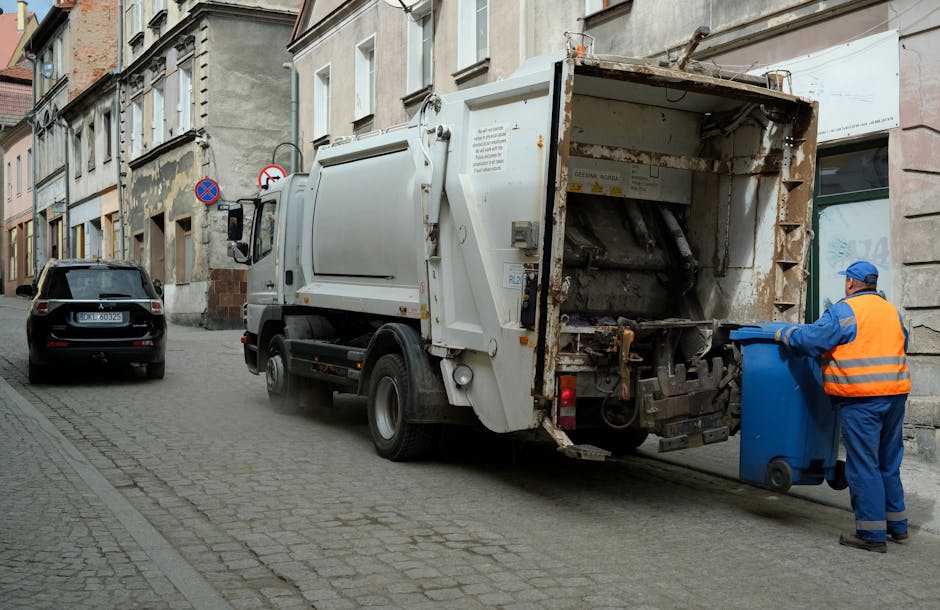
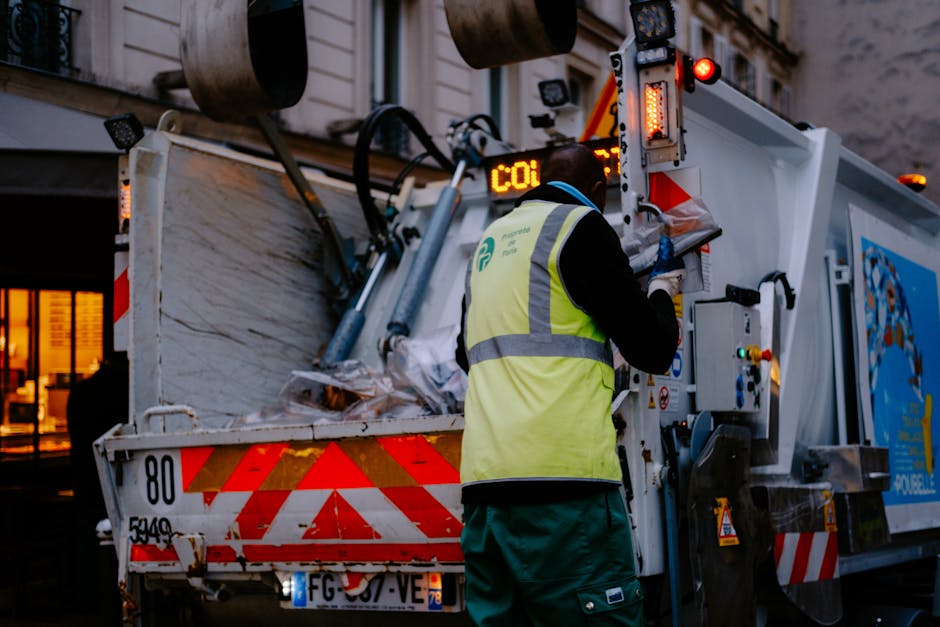
Bulky waste removal rules for Hackney council, London
If you live in Hackney, bulky waste can become one of those annoying jobs that sits in the corner of the week and quietly grows legs. A broken wardrobe in the hallway. A mattress leaning against the wall. A table that will not fit through the lift, no matter how you angle it. This guide explains the bulky waste removal rules for Hackney council, London in plain English, so you can deal with unwanted items without a last-minute scramble or an avoidable mistake.
We'll cover what counts as bulky waste, how council collection systems usually work, what tends to be accepted or refused, how to prepare items properly, and when a private removal service may be the cleaner option. Truth be told, the rules are not complicated once you know the pattern, but the details matter. A missed instruction can mean a failed collection, a wasted slot, or items left on the pavement looking a bit sorry for themselves by Monday morning.
Along the way, you'll also find practical tips, a step-by-step checklist, and a comparison of the main disposal options. If you want to organise a removal service after reading, you can also review pricing and quotes, learn more about recycling and sustainability, or get in touch through the contact page.
Table of Contents
- Why Bulky waste removal rules for Hackney council, London Matters
- How Bulky waste removal rules for Hackney council, London Works
- Key Benefits and Practical Advantages
- Who This Is For and When It Makes Sense
- Step-by-Step Guidance
- Expert Tips for Better Results
- Common Mistakes to Avoid
- Tools, Resources and Recommendations
- Law, Compliance, Standards, or Best Practice
- Options, Methods, or Comparison Table
- Case Study or Real-World Example
- Practical Checklist
- Conclusion
- Frequently Asked Questions
Why Bulky waste removal rules for Hackney council, London Matters
Bulky waste sounds simple, but in a dense London borough like Hackney, it affects far more than one front door. Collection access can be tight, pavements can be busy, and a badly left item can cause an obstruction for neighbours, delivery drivers, or people using pushchairs and wheelchairs. That is why the rules matter. They are there to keep collections efficient, streets safer, and waste moving through the right disposal route.
There's also a cost angle. Many people assume that a bulky item can just be left outside whenever convenient. Not usually. Council collections, private removals, and reuse channels each have different expectations. If you put out the wrong items, in the wrong place, or at the wrong time, you can end up waiting longer or paying more than you expected.
For residents, landlords, tenants, letting agents, and even small businesses clearing out furniture from a property, the practical question is the same: how do you remove large waste without causing hassle? The answer begins with understanding what the borough will accept, what it will not, and what preparation is needed before collection day. That's the foundation. Simple, but easy to get wrong.
Practical takeaway: treat bulky waste as a managed collection, not a casual doorstep dump. A few minutes of preparation can save an entire collection slot.
How Bulky waste removal rules for Hackney council, London Works
In general, bulky waste removal through a council service works on a scheduled basis. You request a collection, provide details of the items, follow the packing or placement instructions, and place the waste out at the specified time and location. That usually means the collection point must be accessible, the items must match what was booked, and hazardous or prohibited materials must be separated.
The exact service arrangements can change, so it is always sensible to check the current instructions before you book. Council collections commonly focus on household items such as old furniture, mattresses, and some appliances. However, the acceptance rules for each item type can be strict. A damaged sofa with loose upholstery may be acceptable. A fridge full of food, not so much. And yes, that distinction matters more than people think.
Private removals work differently. Instead of fitting your request into a council slot, a removal team can often collect from inside the property, from a garden, or from a tricky stairwell. That can be especially useful in Hackney's older buildings, where narrow hallways and shared entrances can make moving a wardrobe feel like a small endurance event. If that sounds familiar, a service such as about us may help explain the kind of support available, while insurance and safety is worth reading if you want reassurance about handling and risk.
The key point is this: council rules are usually designed for standard, predictable household collections. If your situation is less tidy than that, or time is tight, a private option may be more practical.
Key Benefits and Practical Advantages
Following the bulky waste rules properly has a few very real benefits, and they are not just administrative. The first is predictability. You know what is being collected, when it is likely to go, and what needs to be ready. That is valuable when you are clearing a flat between tenancies or trying to make space for a renovation that begins on a Tuesday morning. London timing can be unforgiving.
The second benefit is fewer failed collections. A surprisingly common problem is putting out items that do not match the booking, or forgetting to remove contents from drawers, cupboards, or fridges. The collection then gets delayed, and suddenly the whole thing becomes a small drama. Nobody needs that.
The third benefit is better environmental handling. Many bulky items can be reused, recycled, or dismantled into separate material streams. Responsible disposal matters, especially when the item still has life in it or contains recyclable parts. If sustainability is important to you, it's worth reading the site's recycling and sustainability page for the broader approach to waste handling.
And finally, there is peace of mind. You can clear the space without wondering whether you have accidentally caused an obstruction or missed a rule. That's a small thing, perhaps, but it makes the whole job feel lighter.
Who This Is For and When It Makes Sense
This guide is useful for anyone dealing with bulky household waste in Hackney, but some people will find it especially relevant. If you are moving out of a flat and have a bed frame, drawers, or a tired sofa to remove, the rules can make or break your moving day. If you are a landlord preparing a property after tenants have left furniture behind, the timing and access rules matter even more. If you are clearing a family home, the emotional side can be just as real as the practical one.
It also makes sense for people comparing council collection with a paid removal service. Council pickup may be the simplest route for one or two items, especially if you are not in a rush. But if you have multiple pieces, heavy furniture, or items that need to come down stairs, a private collection can be faster and less stressful. To be fair, it is often not about which option is "better" in theory. It is about which one fits your actual day.
Here are some common situations where people start looking up bulky waste rules:
- moving home or downsizing
- clearing out a spare room or loft
- replacing old furniture after redecorating
- managing tenancy end-of-occupancy waste
- disposing of a broken mattress, wardrobe, or table
- dealing with white goods that no longer work
If you're unsure how much will be involved, a quick review of pricing and quotes can help you compare options without overcommitting too early.
Step-by-Step Guidance
Let's keep this practical. If you want to remove bulky waste in Hackney with minimal friction, follow a simple process.
- Identify every item clearly. Make a list of what needs removing. Be specific: "double mattress," "two-seater sofa," "flat-pack wardrobe," and so on. Vague lists lead to confusion.
- Check whether the items are accepted. Some items are standard bulky waste; others may be classed as hazardous or require separate handling. Batteries, chemicals, gas canisters, and some electrical items often need special treatment.
- Measure access points. Narrow hallways, stairs, gated entrances, and parking restrictions can all affect collection. In Hackney, access is sometimes the real issue, not the item itself.
- Prepare the items. Remove personal belongings, empty drawers, and separate detachable parts if requested. A collection crew should not be left sorting through your old cupboards. That's just awkward for everyone.
- Place items exactly where instructed. Follow the collection instructions carefully. If the rules say pavement only, do not leave items in the communal hallway. If the rules say outside by a certain time, do that.
- Keep the route clear. Make sure the collection point is not blocked by bins, bikes, or parked vehicles. Access problems are one of the most common reasons collections become messy.
- Confirm the details again if needed. If something changes, such as the number of items or the type of waste, update the booking before collection day.
A small note from real-world experience: the more you treat this like a mini project rather than a last-minute chore, the smoother it goes. A ten-minute check today can save you a failed pickup tomorrow.
Expert Tips for Better Results
One of the best ways to improve bulky waste removal is to separate items by type before collection day. Furniture, mattresses, electricals, and mixed household clutter are all handled differently in practice, even if the job feels similar to you. Sorting early helps avoid delays and makes it easier to decide whether council collection or a private service is the better match.
Another good habit is to strip items down where possible. Take cushions off sofas, remove loose shelves from cabinets, and bundle small pieces together neatly. You do not need to dismantle everything to dust, but a bit of prep goes a long way. In shared buildings, that also reduces noise and the chance of knocking a wall or stair rail on the way out.
Think about timing too. Early morning collections are often easier to manage because the street is quieter and parking pressure is lower. Later in the day, your chances of a clear pavement or loading space may shrink. Hackney has plenty of busy corners, and you'll notice it the second a delivery van appears where you expected an empty bay. Happens all the time.
If you are using a paid service, ask how items will be handled once collected. A trustworthy provider should be able to explain disposal, recycling, and any safety controls in straightforward terms. You are not being fussy by asking. You are being sensible.
Common Mistakes to Avoid
Most bulky waste problems come from a few repeat mistakes. The good news is they are easy to avoid once you know them.
- Leaving items too early. Putting waste outside before the allowed time can create obstruction or attract extra dumping.
- Not checking accepted items. A collection booked for furniture does not automatically cover hazardous or specialist waste.
- Forgetting contents inside furniture. Drawers, cupboards, and cabinets should usually be emptied first.
- Mixing waste types together. Keeping everything in one pile sounds efficient, but it can cause rejection.
- Blocking access. A collection crew cannot safely remove items if bikes, bins, or parked cars block the route.
- Assuming all electricals are fine. Some electrical items may need separate handling. Do not assume.
- Underestimating heavy or awkward items. A wardrobe may look manageable until you meet the stairs. Then, well, not so much.
One of the least obvious mistakes is failing to think about neighbours. In a block of flats, even a short delay can affect shared access, cleaning schedules, and entry routes. A tidy collection arrangement is kinder to everyone. That matters more than people admit.
Tools, Resources and Recommendations
You do not need a huge toolkit to manage bulky waste well, but a few simple things help. A tape measure is useful for checking door widths and stair turns. Strong gloves are a sensible choice when handling rough wood, broken edges, or dusty old furniture. A torch can help in lofts, cupboards, and storage rooms where the light is poor. Nothing fancy. Just practical.
It also helps to keep a short written list of everything you plan to remove. People often remember the obvious sofa and then, at the last minute, discover three old shelving units in the back room. Not ideal. A list prevents those little surprises.
For related service information and support, the following pages may be useful:
- pricing and quotes for comparing collection options
- terms and conditions for service expectations
- health and safety policy for handling standards
- insurance and safety for reassurance on risk and cover
- contact us if you need a direct conversation about your collection needs
For people who want a smoother overall experience, reading the company's about us page can also help set expectations around how the service is run. Small detail, yes. Still useful.
Law, Compliance, Standards, or Best Practice
Waste disposal in the UK sits within a broader framework of responsibility, and bulky waste is no exception. The main practical principle is simple: waste should be handled safely, legally, and with proper care for the environment and public spaces. If an item is not meant for the ordinary collection route, it should not be forced into it.
For households, compliance usually means following the council or service provider's instructions, separating any restricted waste, and presenting items in the correct way. For landlords, managing agents, and businesses, the responsibility can be broader because waste may come from multiple occupants, and access arrangements are often more complex. If there are bulky items left behind after a tenancy, it is worth documenting what was found and how it was removed. It keeps everybody honest.
Best practice also means thinking beyond disposal. Reuse is often the better first step where items are still in good condition. Recycling is the next best route where items are broken but recoverable. Disposal should really be the last option, not the default. That approach is more sustainable and usually feels better in the long run.
Where safety is concerned, avoid moving heavy items alone if there is any risk of strain, slipping, or impact damage. Use proper lifting technique, and if the item is too awkward, get help. A sore back is a very poor souvenir from decluttering.
Options, Methods, or Comparison Table
There are usually three main ways to deal with bulky waste in Hackney: council collection, private removal, or reuse/rehome options. Each one has strengths and trade-offs.
| Option | Best for | Main advantage | Possible drawback |
|---|---|---|---|
| Council bulky waste collection | Standard household items, planned clear-outs | Often straightforward for eligible items | Limited flexibility and tighter item rules |
| Private removal service | Heavy, awkward, urgent, or larger clearances | More flexible access and timing | Usually costs more than a standard council collection |
| Reuse or donation route | Good-quality furniture or usable household goods | Extends the life of items and reduces waste | Not suitable for damaged or unsafe items |
If your sofa is still solid and your chest of drawers only needs a clean, reuse may be worth considering. If it is split, sagging, or broken beyond repair, removal is the realistic route. The trick is being honest about condition. We all like to believe that old chair has "potential", but sometimes it just has splinters.
Case Study or Real-World Example
A common Hackney scenario goes like this. A tenant leaves at the end of a lease, and the flat still contains a double bed base, a mattress, two shelves, and an old desk. The landlord wants the property ready for cleaners by Friday afternoon. The stairwell is narrow, parking is limited, and the building has shared access. Cue the usual sigh.
In that situation, the first step is to identify what can be reused, what can be removed through the council route, and what needs a more flexible collection. If the items are standard household furniture and the access is manageable, a council booking may be enough. But if the desk is awkward, the hallway is cramped, and the collection window is tight, a private team may be the better choice because they can handle removal from inside the property and adapt more easily to the building layout.
The most important thing in cases like this is timing. The property needs to be clear before contractors arrive, and there is no room for guesswork. The people who get the smoothest outcome are usually the ones who check item sizes early, ask the right questions, and keep the collection point uncluttered. Nothing magical. Just organised.
Small lesson from the real world: the best clearance is the one nobody has to think about twice.
Practical Checklist
Use this checklist before booking or placing bulky waste out for collection:
- List every item that needs removing
- Check whether each item is accepted
- Remove all personal contents from furniture
- Measure access routes, doors, and stairways
- Confirm where items must be placed
- Keep walkways, entrances, and pavements clear
- Separate anything hazardous, sharp, or restricted
- Decide whether council collection or private removal is more practical
- Prepare for weather, parking, and timing issues
- Double-check the booking details before collection day
If you are still unsure which route suits your situation, reviewing pricing and quotes and then speaking through the details on contact us is a sensible next step.
Conclusion
Bulky waste removal in Hackney is not difficult once you understand the rules, but it does reward a careful approach. Know what counts as bulky waste. Separate what cannot go with the regular collection. Keep access clear. And choose the removal method that actually fits your property, your timeframe, and the type of items you have.
For simple collections, the council route may be perfectly adequate. For heavier, awkward, urgent, or multi-item clearances, a private service can save time and reduce hassle. Either way, the real win is the same: a clear space, a safer building, and one less thing on your list.
Get a free quote today and see how much you can save.
If you want a service that handles bulky waste with care and clear expectations, start by reviewing the company's terms and conditions and privacy policy, then decide what level of help you need. A straightforward plan goes a long way, and a tidy room does feel good, doesn't it?
Frequently Asked Questions
What counts as bulky waste in Hackney?
Bulky waste usually means large household items that are too big for standard bin collections, such as sofas, wardrobes, beds, tables, and some appliances. The exact acceptance rules depend on the service used, so always check before you book or place anything outside.
Can I leave bulky waste on the pavement in Hackney?
Only if the collection instructions specifically allow it and only at the correct time. Leaving items out early can create an obstruction and may lead to a failed collection or enforcement issues. The safe approach is to follow the collection instructions exactly.
Does the council take mattresses and sofas?
These items are commonly included in bulky waste collections, but the details can vary by service and condition. If a mattress is heavily contaminated or a sofa contains restricted materials, it may need a different disposal route. Always confirm the current guidance first.
What items are usually not accepted?
Hazardous waste, chemicals, batteries, gas canisters, and some specialist items are often excluded from ordinary bulky waste collections. Electrical items may also have separate rules. If in doubt, treat it as a separate category rather than guessing.
Is it cheaper to use the council or a private removal service?
Council collection is often the cheaper option for standard items, while private removal usually costs more but offers greater flexibility. If you have several heavy items, difficult access, or a tight deadline, the extra cost may still be worth it because it reduces hassle.
How should I prepare furniture before collection?
Empty all drawers and cupboards, remove loose items, and make sure the collection team can access the item safely. If possible, detach parts that are meant to come off easily. Do not dismantle something if it creates more risk or confusion.
What if my building has no lift?
That is one of the main times a private removal service can be helpful. Narrow stairs and upper-floor flats make access more difficult, especially with heavy furniture. It is worth explaining the layout clearly before collection so nobody is surprised on the day.
Can bulky waste be recycled or reused?
Often, yes. Some items can be reused if they are in good condition, and many materials can be recycled after collection or dismantling. The best route depends on the item's condition and composition. Reuse first, recycling second, disposal last.
What happens if I miss the collection slot?
If you miss the booking window or place the items incorrectly, the collection may not be completed. You may then need to rebook or wait for a new slot. That is why it helps to prepare the day before and confirm all instructions carefully.
How do I know whether I need a council collection or a private service?
If you only have a small number of standard items and access is straightforward, council collection may be enough. If you have multiple pieces, heavy furniture, awkward access, or a tight move-out deadline, a private removal service is often the better fit. That's the honest answer, really.
Where can I ask about the service before booking?
You can use the contact us page to ask about your items, access, and timing. If you also want to understand how the provider works, the about us page is a useful place to start.
What should landlords do with items left behind after a tenancy?
Landlords should identify what was left, separate reusable items from waste, and document removal clearly. If access is complicated or the items are numerous, a managed clearance is usually less stressful than trying to move everything piecemeal. It also helps keep the property turnover on schedule.