Brixton SW2 Removals Guide for Narrow Terraced Homes
Moving house in Brixton SW2 can feel straightforward on paper and then suddenly become a test of patience the moment you see the staircase, the hallway width, and the parked cars outside. That is exactly why a Brixton SW2 removals guide for narrow terraced homes matters. Narrow terraces bring their own little headaches: tight front steps, awkward turns, limited kerb space, and furniture that seems to have grown overnight.
This guide walks you through the practical side of moving in and out of Brixton's terraced streets, with a focus on planning, access, packing, and choosing the right moving approach. You will find clear steps, common mistakes, and a realistic way to think about costs, timing, and support. No fluff. Just the stuff that helps on an actual moving day, when the kettle is packed and the sofa is wedged halfway through the doorway.
Why Brixton SW2 removals guide for narrow terraced homes Matters
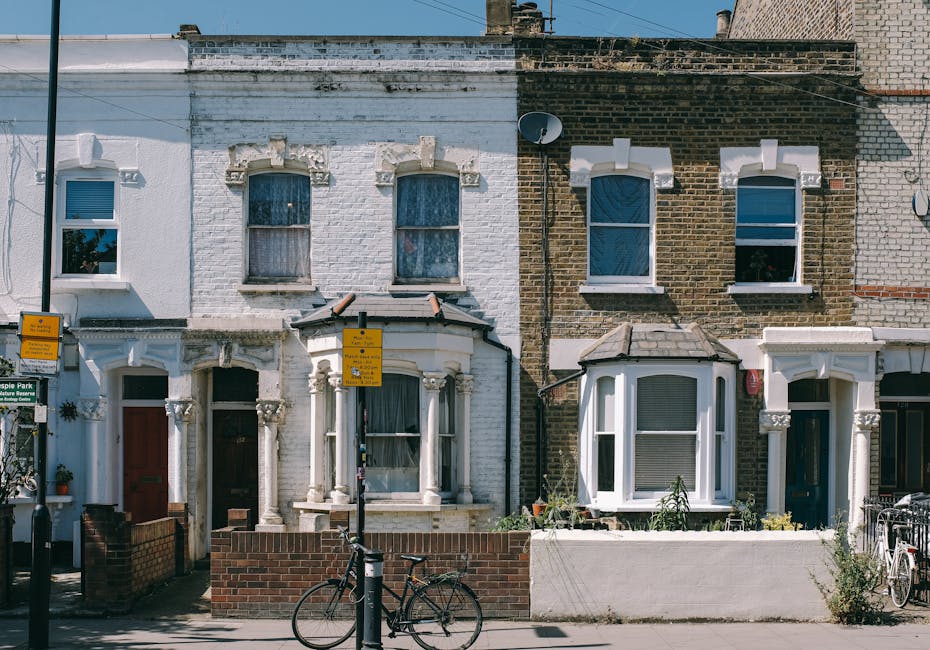
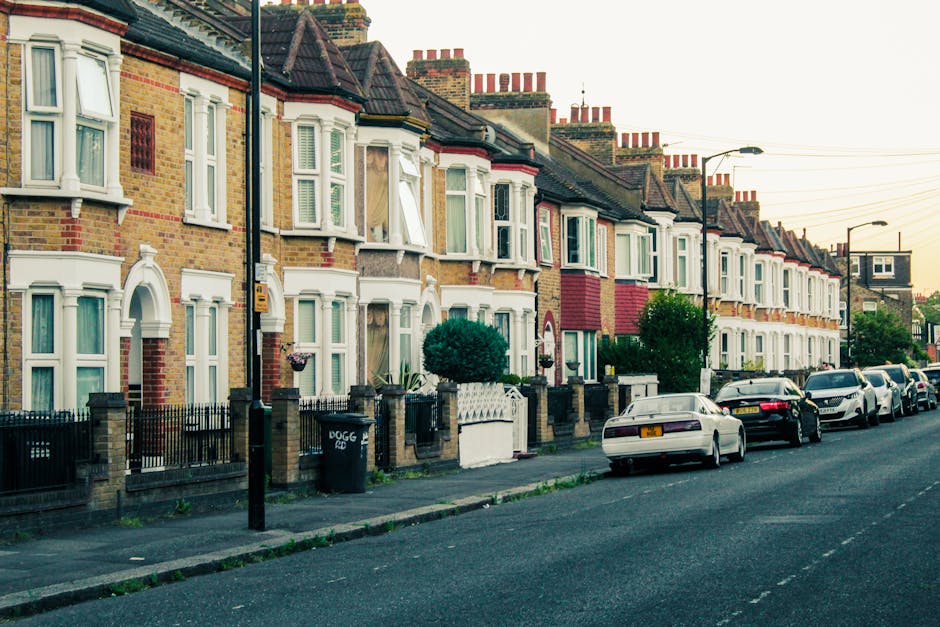
Brixton's terraced housing stock has a charm that buyers and renters love: character fronts, compact layouts, period features, and a street feel that is hard to fake. But from a removals point of view, those same qualities can make things fiddly. A narrow hallway means less room to pivot a mattress. A steep stair flight can turn a wardrobe into a two-person wrestling match. And on-street parking? Let's just say it is often not your friend.
That is why moving in this part of SW2 is less about brute force and more about coordination. The homes are often arranged in a way that rewards careful planning: measuring larger items, deciding what should be dismantled, and thinking about how the van will actually reach the property. A move can go smoothly in Brixton, but it rarely happens by accident.
There is also the local context. On busy roads, timing matters. In quieter side streets, neighbours matter too, especially when you are carrying items through a shared entrance or up a narrow front path. A little courtesy goes a long way. In our experience, the best moves here are the ones where everyone knows the plan before the first box leaves the house.
If you are comparing moving support, a service like man and van removals can be a practical fit for smaller or tighter moves, while a larger removal truck hire setup may suit a bigger family house or a longer-distance relocation.
How Brixton SW2 removals guide for narrow terraced homes Works
The process is not mysterious, but it does work best when broken into phases. First, you assess access. That means looking at the front door width, stairwell turns, whether there is a shared entrance, and how easy it is to carry furniture from the road to the property. Second, you sort the load by size and fragility. Third, you match the vehicle and crew to the job.
That last part is where many people get caught out. A van that is perfect for a one-bedroom flat may be the wrong fit for a house full of furniture if you have not pre-dismantled anything. On the other hand, sending a huge vehicle to a narrow terrace can be overkill if parking and access are awkward. Sometimes the calmest solution is a smaller vehicle with a smarter loading plan.
In practical terms, a good removal plan for narrow terraces often includes:
- a pre-move survey or at least a careful access discussion;
- measurements for beds, wardrobes, sofas, and appliances;
- disassembly of items that do not realistically fit through tight corners;
- protective wrapping for doorframes, banisters, and furniture edges;
- parking and loading decisions made before moving day starts;
- a clear order for loading so the essentials are easy to reach at the other end.
That all sounds sensible, because it is. But it also saves time, and time is usually what gets squeezed in a narrow terrace move. If your home move also involves packing help, the packing and unpacking services page is worth a look for understanding how support can be structured around the moving day itself.
Key Benefits and Practical Advantages
The biggest benefit of planning properly in Brixton SW2 is not just fewer delays. It is fewer surprises. Narrow terraced homes tend to hide their challenges until moving day, and that is when the stress levels start to rise. A good removals plan lowers the chance of damaged walls, scratched floors, and furniture that has to be turned awkwardly on the landing while someone mutters, "It looked smaller in the bedroom."
Here are the most useful advantages of a well-managed approach:
- Less damage risk: careful handling and dismantling reduce knocks to walls, ceilings, and furniture.
- Faster loading and unloading: once access is mapped out, the team can work in a cleaner sequence.
- Better use of labour: the right crew size means no one is standing around, and no one is overworked either.
- More predictable costs: clarity around access and volume makes quoting more accurate.
- Lower stress for you: you know what fits, what needs taking apart, and what the mover needs from you.
There is a quiet bonus too: when the move is organised, you are more likely to settle into the new place with energy left in the tank. That matters. A move day can be long enough without having to fight a sofa at 4pm in the rain.
Who This Is For and When It Makes Sense
This guide is useful for anyone moving in or out of a Brixton SW2 terraced home, but it is especially relevant if your property has one or more of these features:
- a narrow staircase or landing;
- limited front or rear access;
- shared entryways or tight internal doorways;
- large furniture such as wardrobes, beds, corner sofas, or dining tables;
- restricted parking on the street outside;
- top-floor rooms with awkward carrying angles.
It also makes sense if you are moving alone, with children, or on a tight timeline. Those situations do not make the move impossible, but they do mean the margin for error is thinner. To be fair, even an apparently simple move can become complicated if access is poor and you have not planned for it.
Business owners and landlords may find the same principles useful for commercial moves or mixed-use buildings, although the priorities shift slightly toward timing, building access, and continuity of operations.
Step-by-Step Guidance
If you want the move to feel manageable, break it into clear stages. Here is a straightforward sequence that works well for narrow terraced homes.
- Measure the problem items first. Do not guess. Measure sofas, beds, headboards, wardrobes, and anything bulky that may need to turn through a tight corner.
- Check access at both properties. Look at steps, rails, door widths, stair turns, parking, and whether there is room to stand while carrying items.
- Decide what to dismantle. Flat-pack items are usually easier to handle in sections. Traditional furniture often needs a bit more care.
- Sort by priority. Put essentials, fragile items, and valuables into separate groups so they do not vanish under a mountain of boxes.
- Label clearly. Keep labels simple and visible. "Kitchen - mugs" is better than a mysterious code that nobody remembers by lunchtime.
- Protect the property. Use coverings for floors, banisters, and corners if your team provides them or if you are doing part of the move yourself.
- Load in a sensible order. Heavy items first, fragile items safely secured, and essentials kept reachable for the arrival.
- Keep a small moving-day bag. Put chargers, keys, medications, snacks, and a change of clothes in one place.
One small but useful habit: photograph cable setups before unplugging anything. It feels basic, almost silly, until you are staring at five loose wires and wondering which one was doing what.
If you prefer a more hands-on loading style, man with van support can suit lighter household moves where flexibility matters more than a big team. For larger jobs, a more structured home moving service may be a better fit.
Expert Tips for Better Results
There are a few things experienced movers notice quickly in Brixton terraces. First, the hallway is often the real bottleneck, not the front door. Second, a sofa that seems easy to carry can become awkward when you hit a bend halfway up the stairs. Third, the best time-saving trick is often to remove pressure before moving day rather than on it.
Here are the tips that genuinely help:
- Disassemble early, not late. The night before is too late for a wardrobe with missing screws and a tired mood.
- Use furniture blankets or padding. Period terraces often mean painted walls, narrow edges, and easy scuffs.
- Keep screws and fittings in labelled bags. Tape them to the relevant item if you can.
- Move lighter boxes first from the upper rooms. This keeps the stairway flowing instead of clogging up.
- Reserve the awkward pieces for first light. Morning energy is better for heavy lifting than the end of the day.
It also helps to be honest about what is not worth the struggle. A cheap chest of drawers that is already wobbling? Sometimes that is a candidate for replacement rather than rescue. No need to drag a tired piece of furniture across half of Brixton just because it technically exists. Let's face it, some things have had their moment.
For customers who want help with the lifting and the route planning, a standard man and van arrangement can be a smart middle ground, especially for small or medium moves where access is the main issue rather than sheer volume.
Common Mistakes to Avoid
Narrow terraced homes expose mistakes very quickly. There is nowhere to hide when a sofa will not turn or a wardrobe blocks the landing. The good news is that most problems are avoidable with a bit of preparation.
- Guessing measurements. "It should fit" is not a measurement. It is a hope.
- Leaving access checks until the day itself. Parking, steps, and hallway turns need attention well before the van arrives.
- Overfilling boxes. Heavy boxes do not just hurt backs. They slow down the whole move.
- Forgetting about fragility. Mirror glass, lamp bases, and picture frames need more than a quick wrap.
- Not planning for shared spaces. If you are moving through a communal entry or shared path, be thoughtful and clear.
- Assuming every mover works the same way. They do not. Some are best for quick local jobs, others are built for fuller home moves.
A common one in Brixton is underestimating parking pressure. Even if your street looks quiet at 7am, that can change quickly. Always build a margin into the plan. You do not want your whole morning to depend on a single empty space by the kerb.
Tools, Resources and Recommendations
You do not need a warehouse of equipment to move well, but a small set of practical tools makes a huge difference. The right gear lowers the chance of damage and makes awkward objects easier to handle.
| Item | Why it helps | Best used for |
|---|---|---|
| Measuring tape | Confirms whether furniture will clear doors and stair bends | Large furniture and appliances |
| Furniture blankets | Protects surfaces from chips, scratches, and scuffs | Wardrobes, tables, sofas |
| Bubble wrap or paper padding | Cushions fragile items and awkward corners | Glassware, lamps, decor |
| Zip bags and labels | Keeps screws, bolts, and fittings organised | Dismantled furniture |
| Trolley or sack barrow | Reduces carrying strain for heavier boxes | Appliances and stacked boxes |
If you are comparing support levels, the service information on house removalists can help you think about what kind of assistance is sensible for your property type. For one-off furniture you no longer need, furniture pick up may also be useful if you are trying to reduce the amount you move.
There is also a very practical financial side. For many households, the first quote is not the full story; access, packaging, dismantling, and timing all affect the final picture. If you want to compare options, review pricing and quotes carefully and ask what is included. Clarity now saves awkward conversations later.
Law, Compliance, Standards, or Best Practice
For most household moves, the main compliance considerations are simple and common sense driven: safe lifting, fair access, care with property, and clear terms between customer and mover. You do not need to become a legal expert to move house, but you should know what good practice looks like.
In the UK, movers and customers typically expect the following:
- Safe handling of items: heavy lifting should be managed sensibly, with enough people for the weight and shape involved.
- Clear insurance awareness: you should understand what is covered, what is excluded, and what happens if an item is already damaged.
- Transparent terms: booking conditions, cancellation rules, and payment expectations should be understood before moving day.
- Property care: movers should take reasonable precautions to avoid damage while working in the home.
- Environmental responsibility: good practice includes minimising waste and choosing reuse or recycling where possible.
For reassurance, it helps to review a provider's insurance and safety information, plus their health and safety policy. If you are moving items that might be reused, repaired, or disposed of, the recycling and sustainability page is worth checking too. It is often the quieter part of moving, but it matters.
And yes, if you are the person carrying a mattress down a staircase with a slight wobble, the "safe handling" part suddenly feels very real.
Options, Methods, or Comparison Table
Different homes need different moving methods. A narrow Brixton terrace rarely fits a one-size-fits-all approach. The best option usually depends on volume, access, and how much lifting you are comfortable handling yourself.
| Option | Best for | Main advantage | Possible drawback |
|---|---|---|---|
| Man and van | Smaller moves, local relocations, mixed access conditions | Flexible and often efficient for tight streets | May need more loading help from you |
| Full home removals | Larger households, more furniture, more boxes | More comprehensive support | Can be more involved to plan |
| Truck hire | Moves with heavier volume or longer-distance transport | Greater capacity | Parking and access need even more attention |
| Self-move with helpers | Very small moves or very budget-conscious situations | Low direct cost | Higher risk of stress, damage, and fatigue |
If you are moving a compact flat, a light-touch solution may be enough. If the property is full of period furniture and the stairs are tight, the balance shifts. Simple enough, really. The trick is being honest about the job, not the wishlist.
Case Study or Real-World Example
Picture a typical Brixton SW2 terrace: two floors, narrow staircase, a front room with a sofa that has seen better days, and a double bed upstairs that barely made it in when it was first delivered. The household has lived there a few years, so there are plenty of boxes, plus a mirror, a desk, and a dining table with detachable legs.
The move goes better than expected because the planning is simple and practical. The sofa is checked against the hallway width in advance. The table legs are removed the night before. Smaller boxes are packed into uniform sizes, which matters more than people think. The mover arrives with a clear picture of what needs extra care, and the loading order is set so essentials are near the door at the new home.
One little snag appears, of course. The mattress takes a slightly awkward turn at the top of the stairs, and everyone has to pause for ten seconds while the angle is adjusted. That is the thing about narrow homes: there is usually one awkward moment. But because the rest of the move has been thought through, it stays a moment rather than becoming a problem.
By late afternoon, the family is in the new property, the boxes are mostly in the right rooms, and nobody is staring at a pile of mystery cables. Not glamorous. But exactly what good moving looks like.
If you are still deciding what level of help you need, the service pages for home moves and man with van support can help you compare practical options without overcommitting.
Practical Checklist
Use this before moving day. It keeps the process grounded.
- Measure your largest furniture pieces.
- Check stair width, landing turns, and doorway clearance.
- Confirm parking or loading access at both addresses.
- Decide which items need dismantling.
- Pack fragile items separately and label them clearly.
- Prepare a first-night box with essentials.
- Protect floors and walls where needed.
- Keep screws, bolts, and cables in labelled bags.
- Review insurance, safety, and booking terms in advance.
- Arrange help for any heavy or awkward items.
- Allow extra time for loading in narrow streets.
- Set aside recycling or disposal items you do not want to take.
If you are clearing out unwanted items before the move, the furniture pick up option can reduce clutter and make the actual move easier. Less stuff, less stress. It is not magic, just common sense with a bit of discipline.
Get a free quote today and see how much you can save.
Conclusion
A Brixton SW2 move in a narrow terraced home is rarely about raw strength. It is about good judgement, tidy preparation, and choosing a moving setup that fits the building rather than fighting it. Measure first, plan access carefully, dismantle what needs dismantling, and do not underestimate the value of clear labelling and a sensible loading order.
When those basics are in place, the move feels far less dramatic. Still busy, sure. Still a lot of lifting. But manageable. And that is usually what people want most: not a perfect moving day, just one that does not unravel.
For many households, the right next step is to compare options, look at what level of support feels realistic, and make a plan that suits the house rather than an idealised version of it. That is how you keep a narrow terrace move calm enough to breathe through, even with boxes stacked by the door and the street buzzing outside.
And once it is done, the quiet in the new place feels especially good.
Frequently Asked Questions
What is the biggest challenge when moving from a narrow terraced home in Brixton SW2?
The biggest challenge is usually access rather than distance. Tight hallways, steep stairs, awkward turns, and limited parking can slow everything down if they are not planned for early.
Should I dismantle furniture before a Brixton house move?
Yes, where possible. Beds, tables, and wardrobes often move more safely in smaller pieces. It also reduces the chance of damaging the walls or getting stuck on a landing.
Is a man and van service enough for a terraced home move?
It can be, especially for smaller moves or local relocations. If you have many boxes, large furniture, or tricky access, a more complete home moving service may be more suitable.
How do I know if my sofa will fit through the hallway?
Measure the sofa at its widest points and compare that with the hallway, door widths, and any stair turns. If the path looks tight on paper, it will usually feel tighter in real life.
What should I pack in my first-night box?
Keep essentials close: toiletries, chargers, medications, snacks, a kettle if you can reach it, basic cleaning items, and a change of clothes. It saves a lot of rummaging later.
Do narrow Brixton streets make removals more expensive?
They can affect the quote because access, parking, and loading time all influence the job. The best approach is to explain the property clearly so the quote reflects the real situation.
How much notice should I give before booking a move?
As much as you reasonably can. Busy periods fill quickly, and narrow-access homes benefit from proper planning. Even a short conversation about stairs and parking can help a lot.
What if parking is restricted outside my property?
Then the mover needs to know that early. Restricted parking often changes loading plans, vehicle choice, and timing. It is better to be upfront than hope for a lucky empty space.
Can movers help with packing as well as lifting?
Yes, some do. If you want support beyond transport and carrying, packing and unpacking services can be a very sensible add-on, especially when time is tight.
What should I check before agreeing to a removals quote?
Check what is included, how access affects the price, whether dismantling is covered, and what happens if the move takes longer than expected. Clarity now avoids awkward surprises later.
Is it worth getting rid of furniture before I move?
Often, yes. If a piece is bulky, damaged, or no longer useful, removing it before moving day can make the whole process easier. It is one less thing to carry through a narrow hall at the worst possible moment.
How can I make moving day less stressful in a Brixton terrace?
Keep the plan simple: measure, label, dismantle, and prepare essentials in advance. Allow extra time for access and avoid trying to do too much at once. A calm pace usually works better than a heroic one.
For more about the company behind these services, you can also visit about us or review the practical details on contact us when you are ready to talk through your move.